Teenage obesity linked to skin problems
How teen obesity can lead to common skin issues
Obesity is a growing problem among teenagers today. While most people think about weight gain affecting health through diabetes, heart problems, or high blood pressure, it also affects the skin. Teenagers who are overweight often notice changes in their skin, including stretch marks, dark patches, rashes, and slow healing. These skin issues are not only cosmetic concerns but can also indicate deeper health problems. Understanding the connection between obesity and skin health can help teens take steps to protect both their bodies and their confidence.
One of the most common skin changes in overweight teenagers is stretch marks. These appear as reddish or purplish streaks on areas like the stomach, thighs, hips, and arms. Over time, they fade to a silvery color. Stretch marks occur when the skin stretches too quickly, and the collagen and elastin fibers in the deeper layers of skin tear. They are essentially scars from rapid weight gain and can be difficult to remove completely.
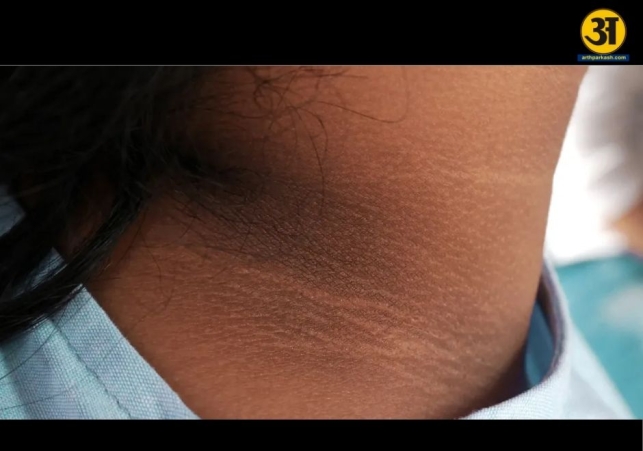
Another skin problem linked to obesity is acanthosis nigricans. This condition causes dark, velvety patches to appear on the neck, armpits, or groin. While it may seem like a simple pigmentation issue, it is actually a warning sign of insulin resistance, a precursor to diabetes and other metabolic problems. Teens with acanthosis nigricans should not only focus on skin treatments but also work on overall weight management and metabolic health.
Obesity can also cause skin tags, which are small, soft, harmless growths, usually in skin folds. These are common in overweight teens and can appear on the neck, underarms, or near the groin. In addition, fungal infections often develop in moist areas of the body, such as under the breasts or between the thighs, because excess fat can trap heat and sweat. The combination of friction and moisture makes these areas prone to rashes and irritation.
Excess weight also impacts skin barrier function. Overweight skin often becomes more inflamed, less resilient, and slower to heal from cuts or wounds. This can make even minor scratches or pimples take longer to recover. The skin may lose its natural radiance and appear dull or rough. In many cases, pigmentation develops in areas where skin folds rub together, which is particularly common in Indian skin.
Dr Apratim Goel, MD, DNB, Cosmetic Dermatologist, says, “The skin often reflects what is happening inside the body. Obesity shows up on the skin in bold ways, from stretch marks to dark patches. While treatments like lasers or creams can help, managing weight is the most important step.”
Caring for skin and health together
The impact of obesity on skin goes beyond physical changes — it affects self-esteem and confidence. Teenagers who notice stretch marks, dark patches, or other skin issues often feel embarrassed or anxious about their appearance. This can affect social interactions, school life, and overall mental health. Doctors emphasize that caring for the skin is closely linked to caring for the whole body.
ALSO READ: The AI boom: innovation surge or bubble waiting to burst?
ALSO READ: The fall of the Berlin Wall: A turning point that reshaped global politics
Managing weight through a healthy lifestyle can improve both skin and overall health. Regular physical activity, a balanced diet, and avoiding excessive sugar and processed foods are essential. Even small changes, like increasing water intake, reducing junk food, and exercising for 30–60 minutes daily, can make a noticeable difference in both weight and skin health.
Skin care routines also play a supportive role. Keeping the skin clean, using gentle moisturizers, and treating any rashes or fungal infections early can prevent further damage. For stretch marks or pigmentation, dermatologists may suggest treatments such as resurfacing, chemical peels, or lasers. However, these treatments work best when combined with weight management and a healthy lifestyle.
Experts point out that parents and guardians have a key role in guiding teens. Encouraging healthy eating, creating opportunities for physical activity, and offering emotional support can help teenagers adopt lasting habits. Educating teens about the connection between body weight and skin health also helps them understand that skin changes are not just cosmetic, but a sign of the body needing care.
In the end, the message is clear: healthy skin cannot exist without a healthy body. Stretch marks, pigmentation, and other skin issues are not just superficial problems — they are the body’s way of signaling that something needs attention. Teens should focus on both their physical health and skin care, understanding that lifestyle changes today can prevent long-term health and skin problems.
By taking small, consistent steps to maintain a healthy weight and care for the skin, teenagers can protect their appearance, improve their confidence, and reduce the risk of metabolic and other health issues. The skin is a mirror of overall health — and when it looks healthy, it reflects a body that is being cared for properly.
Related News